

Solar energy
Solar energy for homes & businesses
Solar energy is a modern, eco-friendly, and cost-effective solution for powering residential homes as well as commercial and industrial facilities. Solar panel systems help reduce electricity costs, provide backup power, and increase energy independence.
Request Servise
Contact us by calling or submitting a request online. And we will get back to you as soon as possible
Solar Energy System Installation
We implement solar energy systems of any complexity — from small residential installations to commercial and industrial solutions.
Our services include:
- analysis of the property’s energy consumption;
- selection of solar panels and equipment;
- solar system design;
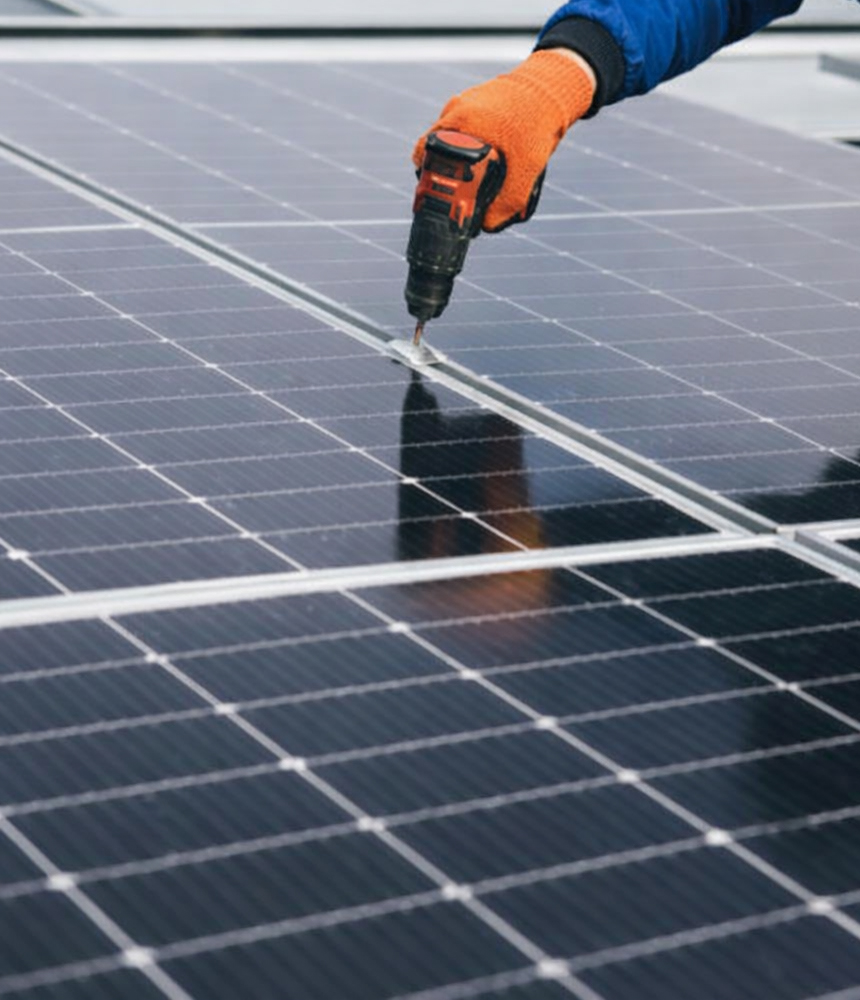
- solar panel installation;
- installation of inverters and protection systems;
- connection to the electrical grid;
- commissioning and system testing.
Solar panels
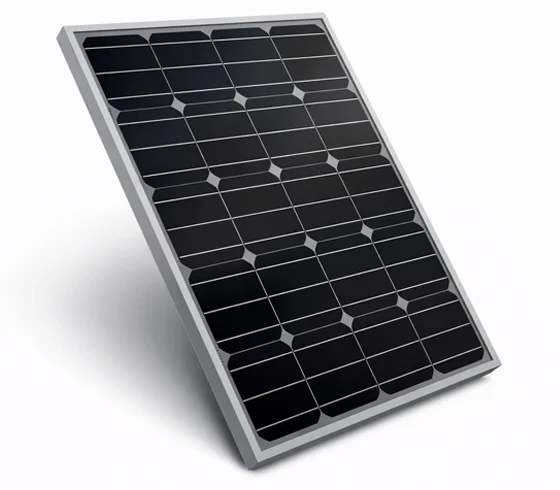
Solar panels convert sunlight into electricity and are the foundation of any solar energy system.
We install reliable and efficient panels with high efficiency and a long service life.
Solar panels are suitable for:
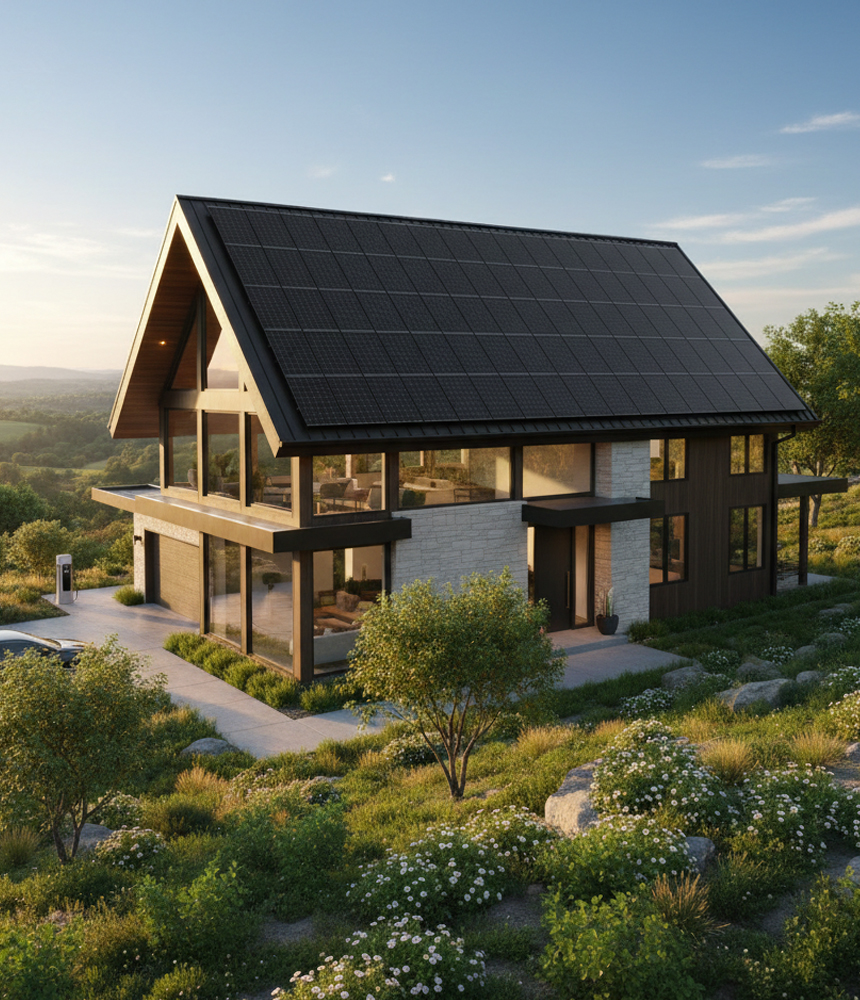
- Private homes and cottages;
- Offices and commercial buildings;
- Warehouses and industrial facilities;
- Farms and agricultural operations.
Solar power plants
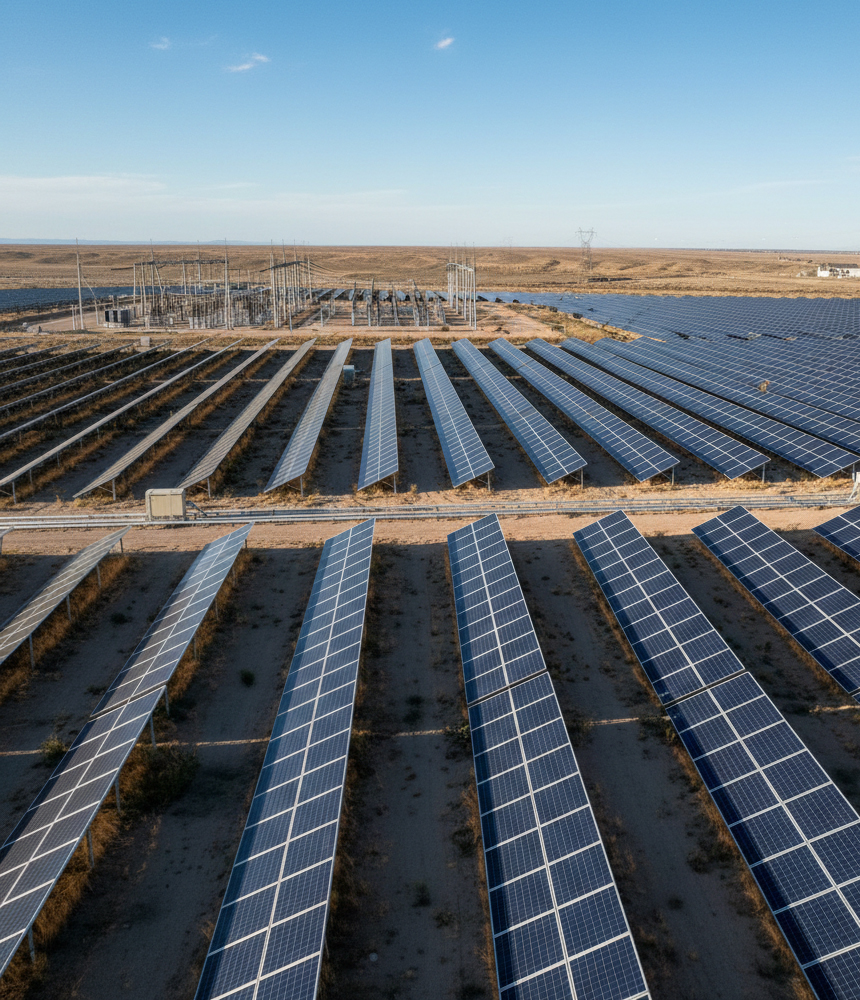
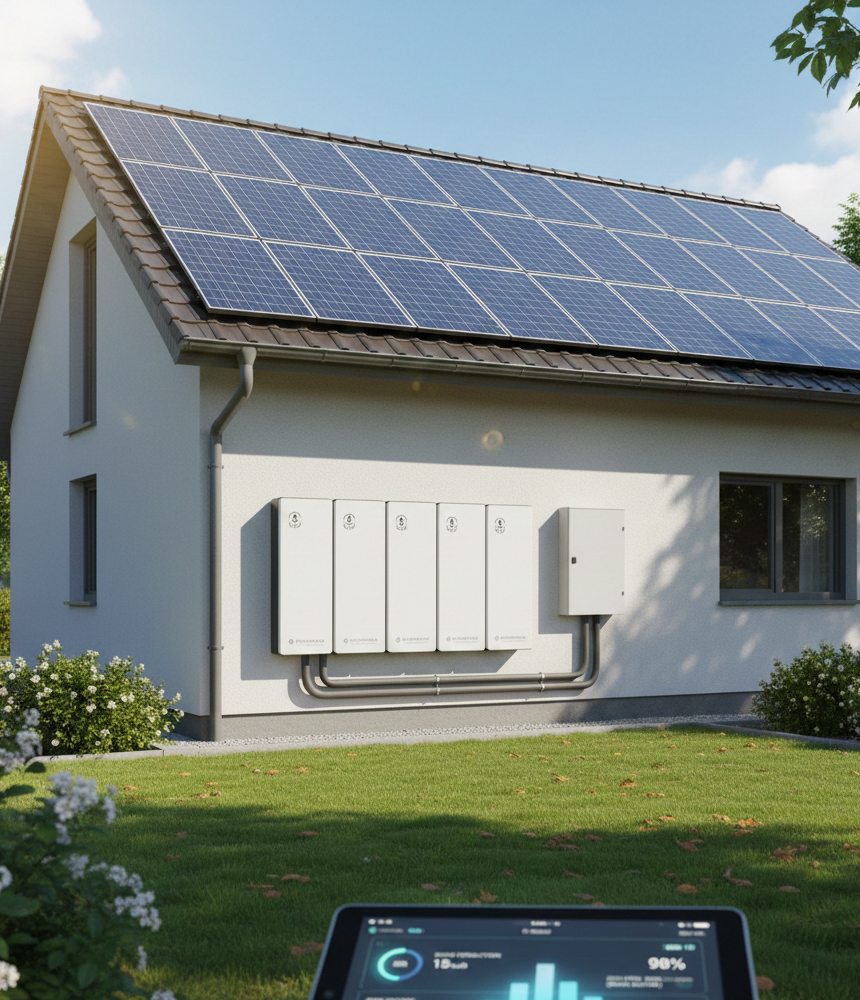
A solar power plant is a comprehensive solution for electricity generation with the option to integrate backup batteries and generators.
Advantages of solar power plants:
- reduced electricity costs;
- stable operation despite rising energy tariffs;
- ability to provide backup and off-grid power;
- environmental friendliness and safety;
- long equipment service life.
Solar energy with backup power
We design hybrid systems that combine solar panels, backup batteries, and generators. These solutions ensure a reliable power supply even during grid outages and at night.
The system automatically switches between energy sources, ensuring uninterrupted operation of the facility.
FAQ
We provide professional advice on the installation of solar panels
- Savings on electricity bills;
- Independence from grid outages;
- Environmentally clean energy;
- Increase in property value;
- Minimal maintenance costs.
On average, the lifespan of solar panels is 25–30 years. Even after this period, the panels continue to generate electricity, though with slightly reduced efficiency.
Most manufacturers provide a performance warranty for 25 years, which confirms the reliability and durability of modern solar panels.
Three main types of solar panels are available on the market: monocrystalline, polycrystalline, and amorphous (thin-film).
Monocrystalline panels offer the highest efficiency and service life — more than 30 years. Polycrystalline panels last on average 20–25 years and are a more affordable option. Amorphous panels have a service life of up to 20 years and are most often used for applications with low power requirements.
The choice of panel type depends on the available area, budget, and required system performance.
To extend the lifespan of battery storage systems, it is important to avoid deep discharges, prevent overheating, and use a high-quality battery management system (BMS) and charger. Regular technical maintenance and proper inverter settings also play a key role.
Following the manufacturer's recommendations helps preserve battery capacity and extend their service life by many years.
Installation quality directly impacts the efficiency and lifespan of solar panels. Incorrect tilt angle, orientation, or poor ventilation can reduce energy production and cause equipment overheating.
Professional installation ensures maximum system performance, stable operation, and protection of panels from premature wear.
The efficiency of solar panels depends on the type and technology and averages from 8% to 22%. This means that out of 100% of solar energy, the panels can convert up to 22% into usable electrical energy for household and business applications.
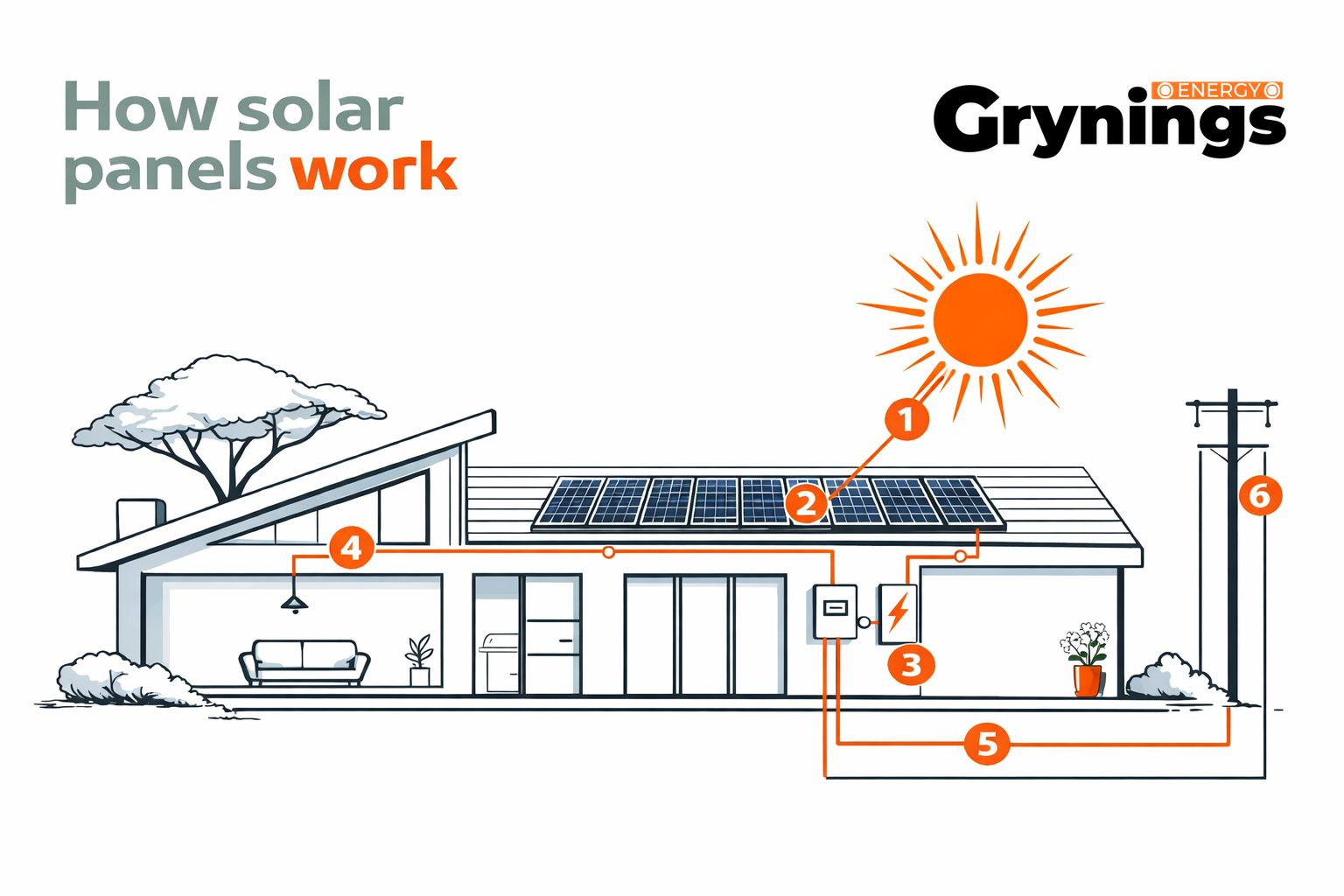
Sunlight shines on solar panels.
PV cells capture DC solar energy.
Inverter converts captured DC into AC.
The AC directly powers your home.
Excess AC is stored in battery or returned to the grid.
Grid power used as backup when needed.
Order a call
Get advice from professionals