

Hybrid inverter
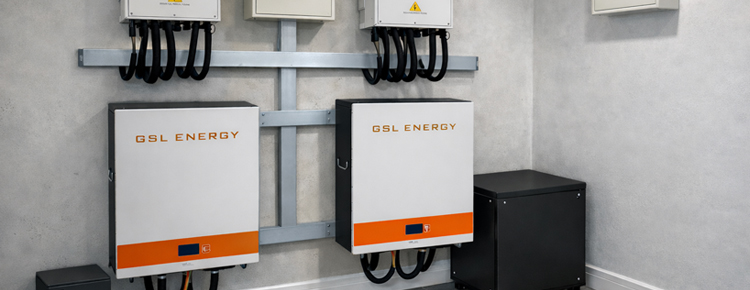
Hybrid inverter
Hybrid solar inverter is a versatile all-in-one device that combines the functions of a grid-tie inverter, an off-grid inverter, and a solar charge controller within a single unit.
What is a hybrid inverter?
A hybrid solar inverter converts direct current (DC) from solar panels into alternating current (AC) to power the home, while simultaneously managing battery charging/discharging and interaction with the utility grid.
It operates in multiple modes:
- Solar energy priority for home consumption;
- Charging batteries with excess solar production;
- Feeding surplus energy back into the grid (selling energy);
- Backup power from batteries during grid outages;
- Automatic switching between sources (solar → batteries → grid → generator).
Key Features and Operating Principle
- Supports batteries (lithium, AGM, gel, and others);
- Operates both with grid connection and in off-grid/backup mode (works without grid power);
- Equipped with built-in MPPT trackers for maximum power extraction from solar panels;
- Intelligent energy management: prioritizes home consumption, battery charging, or grid export depending on settings and conditions;
- Comprehensive protections: against overloads, short circuits, islanding mode, lightning surges, and more;
- Remote monitoring and control via mobile app or web portal.
Advantages of a Hybrid Inverter
- Versatility: one device instead of several (solar inverter + battery inverter + charge controller);
- Backup power during grid outages (uninterrupted supply);
- Maximum self-consumption of solar energy (reduced dependence on the grid);
- Ability to sell excess energy to the grid + store it for nighttime or bad weather;
- Future-proof: batteries can be added later;
- High efficiency and low losses (no unnecessary conversions);
- Savings on electricity bills + independence from grid failures.
When to choose a hybrid inverter?
- Frequent power outages or the desire to have reliable backup power.
- Plans to install batteries (now or in the future).
- Maximum energy autonomy and savings (high self-consumption + possibility to sell excess energy).
- For homes, businesses, cottages, or facilities in regions with unstable or unreliable grid power.
If you need recommendations for a specific model, a comparison, or help selecting the right hybrid inverter for your system — contact us and we will fully consult you.
Our Services
- Installation of Hybrid inverter
- Configuration of Hybrid inverter
- Diagnostics of Hybrid inverter
Request Servise
Contact us by calling or submitting a request online.
And we will get back to you as soon as possible
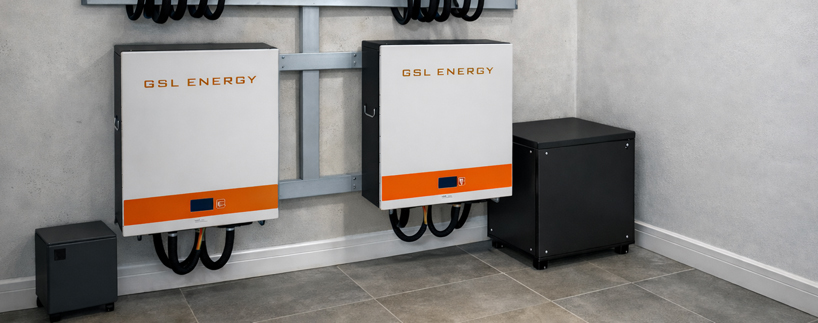
Hybrid inverter
Hybrid solar inverter is a versatile all-in-one device that combines the functions of a grid-tie inverter, an off-grid inverter, and a solar charge controller within a single unit.
What is a hybrid inverter?
A hybrid solar inverter converts direct current (DC) from solar panels into alternating current (AC) to power the home, while simultaneously managing battery charging/discharging and interaction with the utility grid.
It operates in multiple modes:
- Solar energy priority for home consumption;
- Charging batteries with excess solar production;
- Feeding surplus energy back into the grid (selling energy);
- Backup power from batteries during grid outages;
- Automatic switching between sources (solar → batteries → grid → generator).
Key Features and Operating Principle
- Supports batteries (lithium, AGM, gel, and others);
- Operates both with grid connection and in off-grid/backup mode (works without grid power);
- Equipped with built-in MPPT trackers for maximum power extraction from solar panels;
- Intelligent energy management: prioritizes home consumption, battery charging, or grid export depending on settings and conditions;
- Comprehensive protections: against overloads, short circuits, islanding mode, lightning surges, and more;
- Remote monitoring and control via mobile app or web portal.
Advantages of a Hybrid Inverter
- Versatility: one device instead of several (solar inverter + battery inverter + charge controller);
- Backup power during grid outages (uninterrupted supply);
- Maximum self-consumption of solar energy (reduced dependence on the grid);
- Ability to sell excess energy to the grid + store it for nighttime or bad weather;
- Future-proof: batteries can be added later;
- High efficiency and low losses (no unnecessary conversions);
- Savings on electricity bills + independence from grid failures.
When to choose a hybrid inverter?
- Frequent power outages or the desire to have reliable backup power.
- Plans to install batteries (now or in the future).
- Maximum energy autonomy and savings (high self-consumption + possibility to sell excess energy).
- For homes, businesses, cottages, or facilities in regions with unstable or unreliable grid power.
If you need recommendations for a specific model, a comparison, or help selecting the right hybrid inverter for your system — contact us and we will fully consult you.
Request Servise
Contact us by calling or submitting a request online. And we will get back to you as soon as possible
Our Services
- Installation of Hybrid inverter
- Configuration of Hybrid inverter
- Diagnostics of Hybrid inverter